Stop writing long AI coding prompts
December 20, 2025
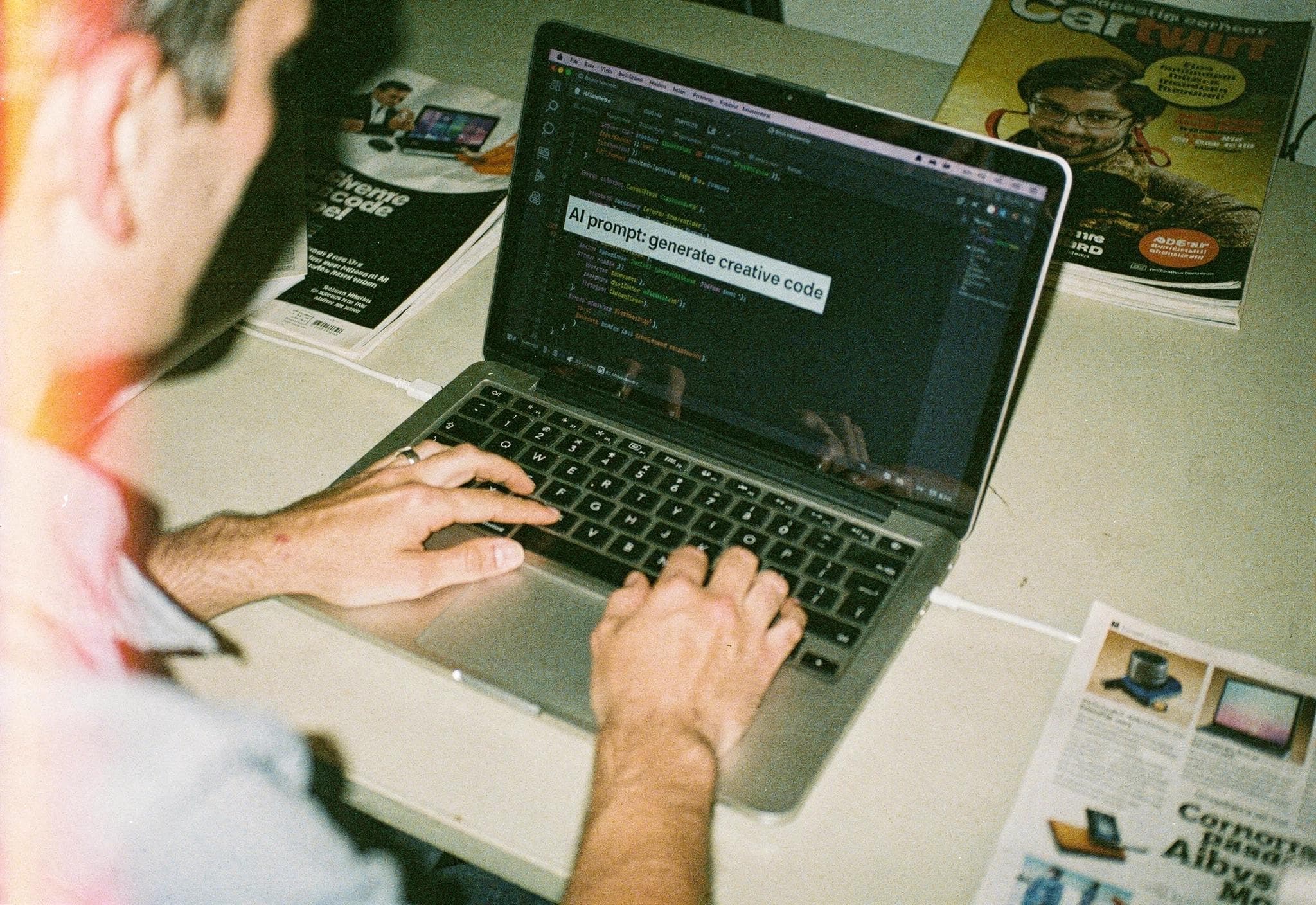
I used to think the bottleneck in working with AI was prompt quality. I’d spend time carefully typing long, structured prompts, making sure every detail was explicit. By the time I hit enter, I already felt tired, and half the time, the result still wasn’t quite right.
What I eventually realized was that the problem wasn’t the AI.
It was the interface.
Typing forces you to think in a rigid, linear way. You hesitate, rephrase, delete, and over-optimize before the idea is even fully formed. When you’re trying to collaborate with tools like Claude or Cursor, that friction adds up quickly.
I started experimenting with something simpler: talking.
Instead of typing a multi-paragraph prompt, I explain what I want out loud using Romo. I’ll say things like,
“Look at `pricing.tsx` and update the copy so it matches the new onboarding flow,”
or
“Take the logic from `authMiddleware.js` and simplify it for edge cases.”
What surprised me was how well it worked, even with file names.
Romo reliably recognizes exact file names as I speak them. I don’t have to slow down, spell things out, or correct transcripts afterward. When I paste the transcript into Claude or Cursor, the references are already correct. The AI knows exactly what I’m talking about, and I don’t lose time fixing small but critical details.
That changed the rhythm of my work.
I think out loud, the way I naturally reason about problems. I add context, constraints, and intent in one pass instead of carefully assembling a “perfect” prompt. Claude helps structure or refine the output, and Cursor lets me iterate quickly without losing control.
The result isn’t just faster prompts. It’s better collaboration.
Talking captures intent. Typing optimizes wording. AI responds better when it understands why you’re asking, not just what you typed.
Now my workflow is simple: speak the idea, let Romo capture it accurately, then refine with AI instead of fighting the keyboard. I still type when I need precision, but I no longer start there.
Long prompts used to feel like work.
Talking feels like thinking.
And once that shift happens, AI stops feeling like a tool you have to manage and starts feeling like something you actually collaborate with.
Published
Author
Romo Team